Bookkeeping for OnlyFans Creators: The Minimum Viable Accounting Setup
Most creator tax pain comes from bad records, not bad luck. A minimum viable bookkeeping system keeps income, expenses, and payouts readable.
Creator Economics & Strategy
Editorial Boundary: This article is editorial analysis, not legal, tax, financial, insurance, privacy, or platform-policy advice. Rules vary by jurisdiction, platform, account status, and business structure. Creators should confirm high-stakes decisions with a qualified professional.
Bookkeeping is one of the least glamorous parts of creator work, and one of the most expensive to ignore. Income arrives in chunks, platform fees are skimmed automatically, expenses are scattered across cards and subscriptions, and tax season arrives whether the records are ready or not. A clean setup makes the business less stressful and usually less costly.
The good news is that creator bookkeeping does not need to be complicated to be effective. A minimum viable system only has to answer a few questions clearly: how much came in, what got taken out, what was spent on the business, and what still needs to be reserved for taxes. If those four things are visible, the creator can make better decisions.
This is the operating companion to OnlyFans taxes, quarterly tax payment examples, and deduction receipt systems. The accounting setup does not have to be sophisticated. It has to be current.
What the System Has to Track
At minimum, a creator should track gross income, platform fees, payment processing charges, business expenses, tax reserves, and net cash. Those categories make it easier to see what the business actually earns instead of what the payout screen happens to show. That distinction matters because gross revenue can look healthy while net income is much smaller.
The best bookkeeping setups separate income sources too. Subscription revenue, tips, pay-per-view, custom content, affiliate income, and referral commissions should not be lumped together if the creator wants to understand where the business is strongest. Different revenue streams have different stability and different tax implications. Seeing them separately helps with planning.
Expense tracking should be just as disciplined. Content production, editing tools, marketing, storage, equipment, home office costs, and professional services all belong in the record if they are legitimate business expenses. Even small recurring charges add up over a year, and they become much easier to defend when they are categorized cleanly.
The most common mistake is to rely on memory and bank statements alone. Those records show transactions, not logic. Good bookkeeping shows purpose.
The Minimum Viable Workflow
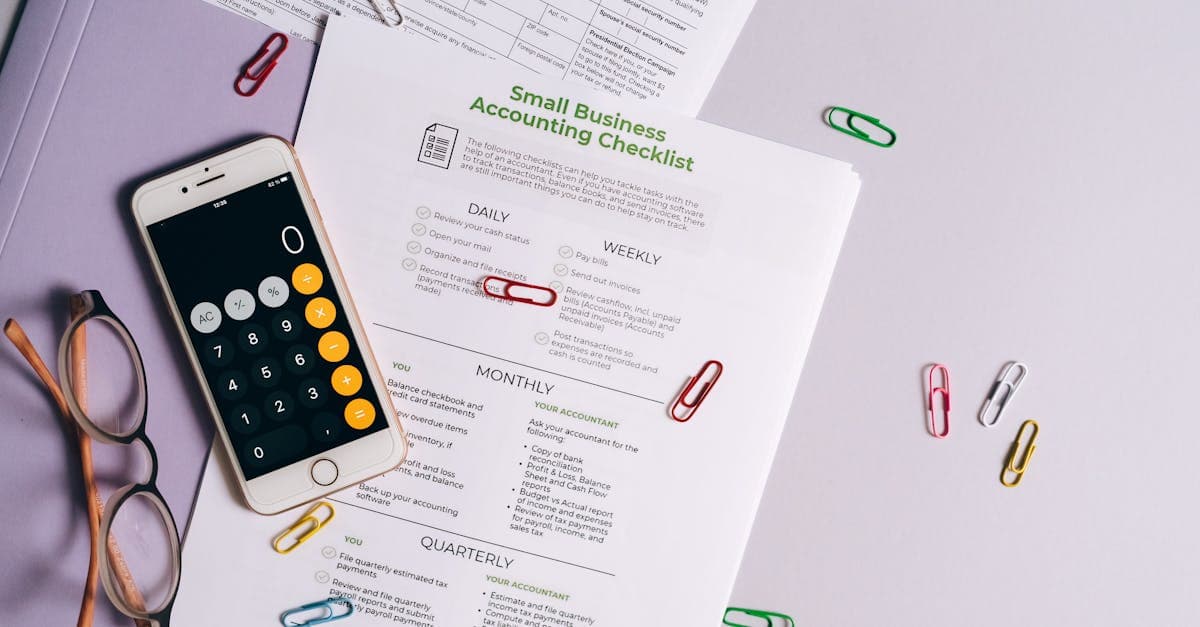
The simplest workflow is weekly. Once a week, the creator or bookkeeper should reconcile platform payouts, categorize expenses, and move a tax reserve into a separate account. Weekly reviews are enough to catch errors early without turning bookkeeping into a second job.
A good system also uses one dedicated business account and, ideally, one dedicated tax account. Mixing personal and business spending makes every later decision harder. Separate accounts create separation of record even if the business is still small. That is valuable because creator income can be irregular, and irregular income benefits from clean boundaries.
Receipts should be stored as soon as they are issued. Waiting until tax season means digging through old inboxes and app histories, which is exactly when details are missing. A basic digital folder structure by month and category is enough for most creators. Fancy software is optional; consistency is not.
If the creator hires help, the bookkeeping workflow should also define who updates what. One person should own the ledger. Another person may upload receipts. If those roles are unclear, records get duplicated or skipped. The workflow should be simple enough that it still works when the creator is busy.
How to Handle Taxes Without Panic
The main purpose of bookkeeping is not compliance theater. It is to make taxes predictable. Creators who save a percentage of each payout as it arrives avoid the worst end-of-year surprises. The exact reserve depends on location and income mix, but many creators use a range of 25% to 35% of net income as a working buffer until a tax professional gives a better estimate. A creator netting $8,000 in a month might move $2,400 into a tax account immediately, then treat the remaining $5,600 as the real operating pool.
Bookkeeping also helps with estimated taxes. If the creator knows the income trend every month, they can project whether quarterly payments are on track. That reduces the risk of underpayment penalties and prevents the frantic scramble that happens when the business has grown faster than the records.
Creators should also remember that platform payouts are not the same as taxable income. Fees, chargebacks, refunds, and business expenses all affect the final picture. Without a ledger, it is easy to overestimate what is actually available to spend.
A tax-ready system gives the creator confidence to make decisions during the year instead of only after the accountant has sorted the mess. That confidence has real business value because it keeps cash flow from becoming guesswork.
Software and Support Choices
The right software depends on volume, but the principle is the same: choose the smallest tool that can keep records organized and exportable. For a small creator, a spreadsheet and receipt capture app may be enough. As the business grows, bookkeeping software with bank feeds and category rules can save serious time.
The software matters less than the habits around it. If the creator never reconciles payouts, the system drifts. If expenses are recorded without categories, the reporting becomes useless. If no one reviews the numbers, the software is just a very expensive storage locker.
At a certain scale, it is worth hiring a bookkeeper or accountant who understands creator income. The value is not just in filing forms. It is in spotting inconsistencies, helping structure expenses, and keeping the records organized enough to support later decisions. A good accountant often pays for themselves by preventing mistakes the creator would not know to look for. Once net income passes roughly $75,000-$100,000 a year, quarterly planning and entity structure become too expensive to guess at.
Creators should be careful not to hand off everything too early, though. The founder still needs to understand the basics. If the creator cannot read their own numbers, they cannot tell whether the business is healthy.
Common Failure Points
The first failure point is delay. If records are entered two months late, the system stops being operational and becomes historical. That makes it nearly impossible to make current decisions. The second failure point is mixing business and personal spending. That habit creates confusion both for the creator and for anyone helping with taxes.
The third failure point is not setting aside tax money as income comes in. Creators who wait until the end of the year often discover that money they thought was spendable was actually owed to the government. That is avoidable with a dedicated reserve account.
The fourth failure point is treating bookkeeping like punishment. It is not exciting, but neither is overpaying taxes or scrambling to explain missing records. A clean system turns a vulnerable part of the business into something manageable.
The math is simple. A creator who loses even a few hours to tax chaos each quarter is also carrying a hidden stress load. Good bookkeeping buys time, clarity, and fewer expensive surprises.
Year-End Cleanup and Audit Readiness
The year-end process is easier when the monthly records are already clean, but there is still value in a final review. That review should confirm that expenses are categorized, payouts are matched, and large transfers have a clear paper trail. If the business ever faces a question from a tax professional or payment processor, that documentation matters. The same record discipline helps with LLC structure decisions and registered agent privacy.
Audit readiness is not about paranoia. It is about being able to explain the business without scrambling. Creators with a clear ledger, organized receipts, and separate accounts are in a much better position to answer questions quickly and accurately. That reduces risk and makes it easier to get professional help when needed.
Cash Flow Is the Real Stress Test
Bookkeeping is not only about tax forms. It is also the clearest picture of cash flow. A creator can be profitable on paper and still feel broke if the timing of payouts, expenses, and reserves is off. The ledger shows that difference before the bank account does.
That is why even a minimum setup should include a quick view of what is available now, what is reserved, and what is already spoken for. Once the creator can see those layers, it becomes much easier to decide whether to hire help, raise spending, or leave a buffer in place.
What This Means
Minimum viable bookkeeping is not about becoming an accountant. It is about making the business legible enough that income, expenses, and reserves do not disappear into noise.
The practical move is to separate accounts, reconcile weekly, track every payout and expense category, and keep a tax buffer from the start. Once the records are clean, the business gets easier to run and much easier to scale.
The creator who can read their own numbers has a real advantage: fewer surprises, better planning, and much less panic when the calendar turns. That advantage compounds because better records lead to better decisions, and better decisions protect the next quarter as much as the current one.
Related Reading
Get the pulse, weekly.
Platform news, creator economy trends, and industry analysis — delivered every Friday.