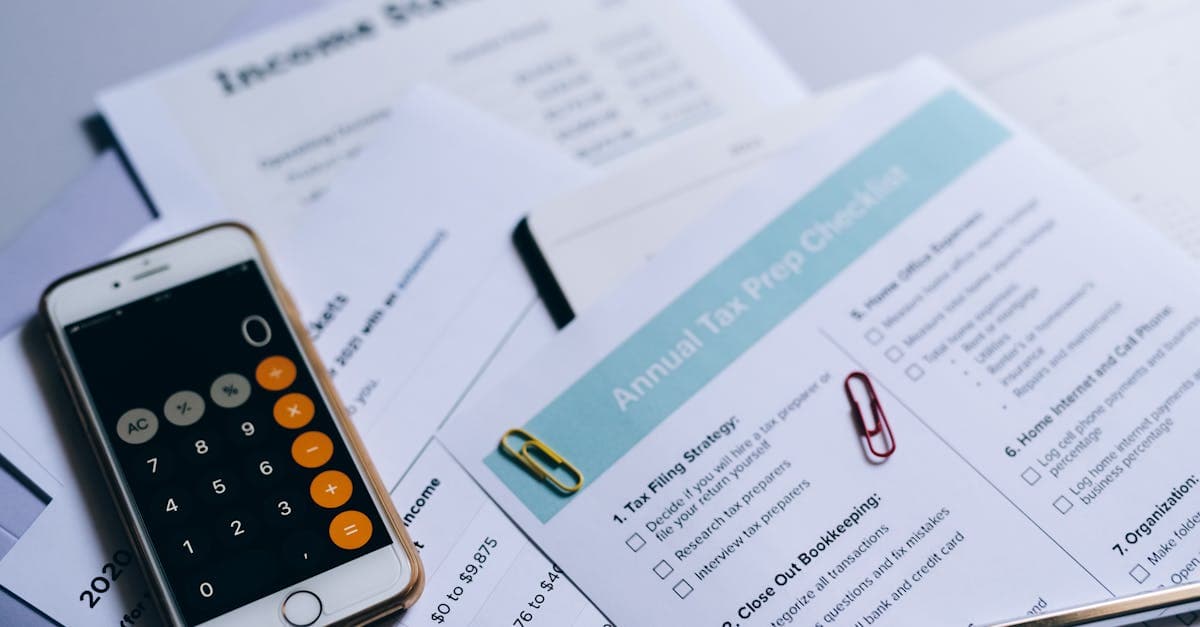
Quarterly Tax Estimates for Creators: How to Avoid the Cash Shock of a Strong Month
Quarterly Tax Estimates for Creators explains quarterly estimates, tax reserve systems, and the operating metrics adult creators should track before scaling.
Regulation & Compliance
Editorial Boundary: This article is editorial analysis, not legal, tax, financial, insurance, privacy, or platform-policy advice. Rules vary by jurisdiction, platform, account status, and business structure. Creators should confirm high-stakes decisions with a qualified professional.
Quarterly Tax Estimates for Creators: How to Avoid the Cash Shock of a Strong Month now matters because it changes net income, tax reserve, deductible share, and receipt quality; the useful coverage starts with the operating decision, not the slogan.
This article looks at quarterly estimates through the lens of legal exposure, records, and process. The numbers are directional estimates based on common creator operating patterns rather than platform-reported data, but the decision framework is concrete. Creators need to know what to measure, what to avoid, and when a tactic that looks profitable is actually creating fragility somewhere else in the business.
Why This Is Becoming a Business Issue
Quarterly Tax Estimates for Creators matters because the adult [creator economy has moved past the easy-growth phase. More creators now compete for the same attention, platform rules change faster, and fans have become more selective about where they spend. What used to be handled casually now affects revenue, privacy, and the creator's ability to keep operating when one channel slows down. The issue is not abstract; it shows up in renewals, chargebacks, support time, and the amount of labor required to produce each dollar.
The strongest accounts treat quarterly estimates as part of the operating system rather than a side task. That means assigning a metric, reviewing it on a schedule, and connecting it to a decision. A creator does not need enterprise infrastructure to do this well. A spreadsheet, a weekly review, and consistent definitions are enough to separate signal from noise, especially when the account is still small enough to change quickly.
The Operating Math
The practical benchmark for this topic is 25% to 40% reserve bands. That number should not be treated as universal, but it gives creators a starting point for modeling risk and upside. A creator earning $3,000 a month has a different tolerance for experimentation than one earning $30,000, yet both need to know whether a change improves net revenue after platform fees, taxes, labor, and churn. Gross fan spend is useful, but it is not the same as business cash.
Platform and Compliance Constraints
tax reserve systems sits inside a larger system of platform terms, payment rules, privacy duties, and audience expectations. Creators can make money quickly by ignoring those constraints, but the risk compounds. A policy flag, frozen payout, account review, or privacy mistake can erase the benefit of a strong campaign. For that reason, the safer approach is to assume every growth tactic needs a compliance check before it becomes routine.
Where Creators Misread the Signal
A Practical Playbook
The first step is to define the goal in plain language. If quarterly tax estimates for creators is meant to improve conversion, measure conversion. If it is meant to reduce risk, track incidents and response time. If it is meant to save labor, measure hours before and after. This prevents the creator from declaring success based on whichever number looks best after the fact.
Implementation Details
Quarterly Tax Estimates for Creators should start with a written baseline. The baseline does not need to be complicated: current revenue, current labor hours, current conversion rate, current renewal behavior, and the main risk that could interrupt the account. Once those numbers are written down, the creator can test changes without confusing activity for progress. This is especially useful when a tactic produces a short spike but weakens retention or increases support work later.
Creators should also compare policy-watch decisions across cohorts rather than across moods. A campaign that works for high-spending buyers may be too aggressive for new subscribers. A workflow that helps a paid page may not fit a free-page funnel. Tags such as taxes, quarterly-estimates, cash-flow are useful for organizing the issue, but the real answer comes from the account's own buyer behavior. The best operators use outside benchmarks as a starting point, then let their own data decide what stays.
The final check is whether quarterly tax estimates for creators changes the creator's next concrete decision. It should affect a price, a campaign, a contract, a workflow, a privacy habit, or a budget line. If it does not, the issue is probably being treated as content rather than management. The strongest creator businesses turn these topics into operating rules: what gets measured, who can access the data, which threshold triggers a change, and when the system gets reviewed again. That is the difference between reading the market and actually running a company inside it.
Action Items
- Record the current baseline for net income, quarterly tax reserve, deductible share, and documentation quality before changing the workflow.
- Identify one risk tied to underpaying estimated taxes or claiming expenses without proof and decide what would trigger a pause.
- Review the result after 14-30 days instead of reacting to one strong or weak day.
- Keep the tactic only if the next billing cycle still supports the original result.
Get the pulse, weekly.
Platform news, creator economy trends, and industry analysis — delivered every Friday.