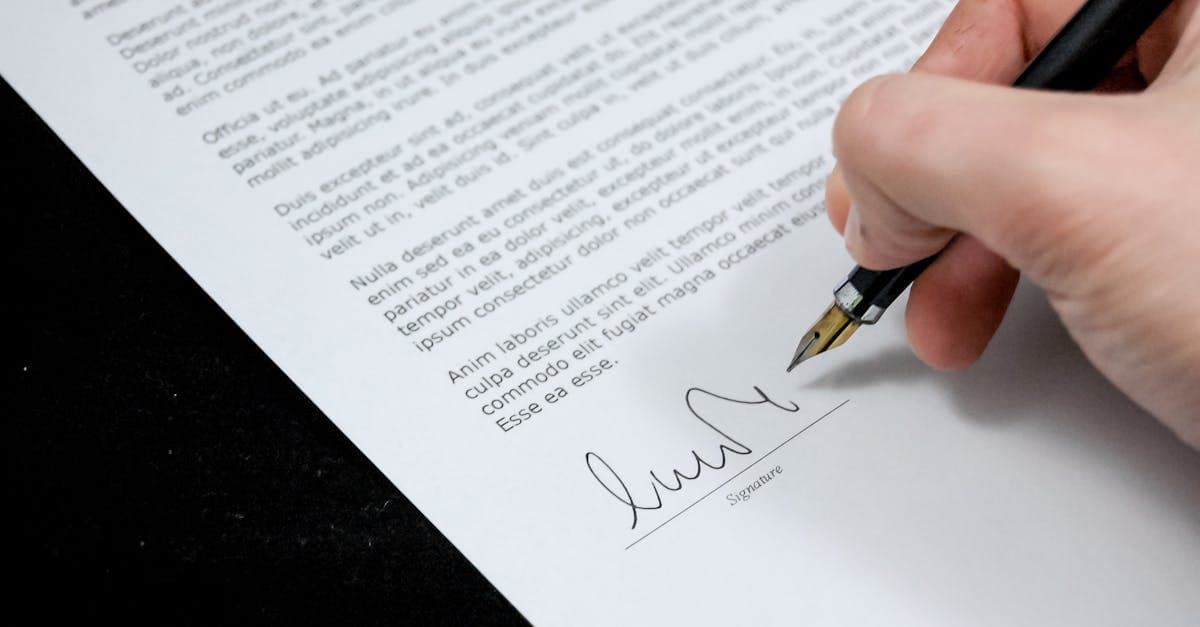
The OnlyFans 1099: When You Get It, What It Means, and How to File
OnlyFans 1099s arrive on a platform schedule, but the tax clock follows IRS rules. Creators need the right forms, records, and filing habits.
Regulation & Compliance
Editorial Boundary: This article is editorial analysis, not legal, tax, financial, insurance, privacy, or platform-policy advice. Rules vary by jurisdiction, platform, account status, and business structure. Creators should confirm high-stakes decisions with a qualified professional.
For creators, the 1099 is less a surprise than a test of recordkeeping. By the time the form lands, the money has already been paid out, the platform has already taken its cut, and the IRS is already expecting the income to appear on a return. The real mistake is treating the form as the starting point rather than the summary of a year that should already be documented.
OnlyFans creators often work with a mix of subscription revenue, tips, pay-per-view sales, refunds, chargebacks, and promotional credits. That makes tax reporting more complicated than a simple W-2 job, because the platform may show one number while the creator's books show several. The 1099 is useful, but it is not a full accounting of the business.
When the 1099 Arrives
Most creators receiving enough U.S.-connected income should expect a 1099 form after year-end, typically in January or early February. The exact format can vary depending on how the platform processed payments and whether the creator crossed the reporting threshold. In practice, the form often lands after the busiest earning season and before many creators have gathered their own monthly statements.
That timing matters because the IRS does not care whether a creator has a neat file folder in April. Income is taxable when earned, not when the 1099 shows up. If a creator received monthly payouts all year and then waits for the platform form to reconcile the books, they may already have missed the window to estimate quarterly tax liability with any accuracy.
The better system is to keep a monthly ledger. Track gross subscriptions, tips, PPV sales, chargebacks, platform fees, refunds, and payment processor deductions separately. A creator who does this can spot discrepancies early, especially when a 1099 reflects gross proceeds rather than the net amount that actually hit the bank account.
One practical rule: do not wait for the form to estimate taxes. If a creator made $4,000 in January, $6,500 in February, and $8,000 in March, that income is already visible enough to plan around. The form only confirms what should already be in the books.
Creators who work with multiple platforms should also reconcile by source, not just by month. A creator may have one bank deposit from OnlyFans, another from a second platform, and a separate PayPal or payout processor record that reflects a different fee structure. If those channels are blended too early, the year-end return becomes harder to verify and easier to misread. The better habit is to preserve the raw reports before anything gets summarized.
Gross Income Is Not Net Pay
The most common tax error among creators is assuming the 1099 number equals take-home income. It does not. In many cases, the form reports gross receipts before platform commissions, processor fees, refunds, and other reductions. OnlyFans keeps a 20% platform fee on core revenue, and payment costs can shave off a bit more depending on payout rails and region.
That means a creator whose 1099 shows $50,000 may have taken home something closer to $38,000 to $41,000 before deductions. The gap is not a rounding issue. It changes estimated tax payments, business planning, and the creator's sense of how much cash is actually available for rent, equipment, advertising, and savings.
The IRS cares about gross income and allowable deductions, not the emotional math of net payouts. That is why creators need bank statements, payout reports, and expense logs that line up by month. If the platform payout history and the bank deposit trail are not reconciled, tax season becomes an exercise in reconstruction.
Refunds and chargebacks deserve special attention. If a creator recognizes income in January but then sees a wave of February reversals, the tax treatment depends on timing and documentation. Those reversals are not simply platform noise. They affect the actual taxable result, which is why creators should preserve the monthly transaction record rather than relying on a year-end summary alone.
This is also where creator business get tripped up by inconsistent bookkeeping software. Some tools record gross revenue and treat fees as separate expenses. Others net everything out and make the payout look cleaner than it really is. Either method can work, but mixing them over the course of a year almost guarantees confusion. A clean chart of accounts matters more than the brand name of the app.
What to Put in the Return
For many creators, the basic structure is straightforward: income reported on Schedule C, expenses deducted as business costs, and self-employment tax calculated on the resulting profit. The hard part is not the form itself. It is deciding which expenses are ordinary, necessary, and well documented enough to survive scrutiny if the return is ever reviewed.
Software, camera gear, lighting, props, internet service, business travel, professional editing, and a dedicated workspace can all be legitimate deductions when they are tied to the business. The key word is tied. A ring light used for content creation is different from a family TV. A home office used exclusively for creator work is different from a kitchen table that happens to double as a laptop desk.
Creators should also be careful about mixed-use items. A phone used 70% for creator communications and 30% for personal use is not a full business deduction in most cases. The same is true for shared subscriptions, software bundles, and bank services. Clean apportionment matters more than aggressive claims.
The return should reflect the year the creator actually operated, not the year they remember. That means keeping receipts, saving invoices, and preserving payout records even for small purchases. A $39 monthly app charge may feel trivial in the moment, but over twelve months it becomes a real line item, and that is exactly how the IRS sees it.
Creators who hire help should keep those records too. An editor, accountant, chat manager, or photographer may issue invoices on a cadence that does not match the creator's payout cycle. If the creator pays those vendors from a personal card and never stores the receipt, the expense can still be valid, but proving it later becomes a nuisance. Good records are not glamorous, but they are the cheapest insurance against a messy return.
Quarterly Payments and Cash Flow
Creators who expect to owe meaningful tax should not wait until April to think about cash flow. Self-employment income often carries both income tax and self-employment tax, which means the tax bill can take a much larger bite than creators first expect. A creator earning $60,000 of profit may need to reserve a substantial slice of that amount for federal and, where applicable, state obligations.
Quarterly estimated payments are where many first-time creators stumble. They under-save, over-spend during good months, and then spend the spring trying to cover a liability they should have been setting aside all year. A simple reserve rule, such as transferring 25% to 30% of net profit into a separate tax account, can prevent a bad April from turning into debt.
The reserve percentage is not universal. A creator in a high-tax state with no employer withholding may need more. A creator with significant deductible expenses may need less. But the discipline is the same: treat tax as a cost of doing business, not as an annual surprise.
Cash flow is also affected by payout timing. If the platform pays on a biweekly or monthly cadence, creators need to avoid spending every deposit as if it were disposable income. Businesses do not survive on optimism. They survive on margin, reserve accounts, and boring habits that make tax season predictable.
Creators with variable revenue should consider a second reserve bucket for volatility. One month may be unusually strong because a post went viral or a promotion hit at the right time. That does not mean the next month will repeat it. Tax planning is easier when reserve transfers happen automatically, because automatic habits survive better than moods.
For tax timing, the safer framing is receipt and constructive receipt, not a blanket rule that every dollar is taxed when it is earned in the dashboard. Many small creator businesses use cash-basis accounting, while others may face different treatment based on entity structure and records. The creator should confirm the reporting year and accounting method with a tax professional before filing.
What This Means
The 1099 is not the tax story. It is the paperwork version of a business that should already be organized. Creators who understand that distinction can file faster, pay less in penalties, and make better decisions about pricing, spending, and saving.
The operational lesson is simple: reconcile monthly, save quarterly, and keep the records long before the form arrives. Creators who run their books like a business are not just more compliant. They are also more likely to know whether their revenue is actually scaling or simply moving through the account.
That discipline also makes it easier to work with a preparer. A tax professional can review clean reports and ask strategic questions about entity structure, quarterly estimates, or deduction timing. Without those records, the preparer is forced into reconstruction, and reconstruction is where billing goes up and certainty goes down.
A creator who keeps clean books can also make better decisions about platform mix. If one revenue stream is volatile and another is stable, the year-end numbers will show it plainly. That can inform pricing, promotion, and whether the business should lean harder into recurring subscriptions or PPV. The 1099 becomes more useful when it sits inside a decision-making system rather than a pile of paperwork.
The last detail is mental. Creators who understand the tax cycle usually feel less panic around payout screenshots and year-end forms because they are not trying to decode the business in one sitting. They already know what happened, when it happened, and what it means. That is the difference between filing a return and reconstructing a year.
Get the pulse, weekly.
Platform news, creator economy trends, and industry analysis — delivered every Friday.