How OnlyFans Is Reshaping Dating: Relationship Dynamics When One Partner
OnlyFans is changing how couples negotiate money, jealousy, boundaries, and disclosure. The relationship impact is often bigger than the income.
Commentary & Cultural Analysis
Dating has never been simple, but adult content creation adds a layer of negotiation that most couples are not prepared for. The issue is not only whether a partner "accepts" the work. It is whether both people understand the labor, the audience, the emotional management, and the reputational risk that come with it. A creator may see the business as practical and time-limited. A partner may experience the same business as a constant third person in the relationship.
The conflict is not confined to long-term couples. Early dating is often where the problem surfaces first because disclosure changes the power dynamic immediately. The creator has to decide when to say it, how much to say, and whether the other person is reacting to the real person or to the fantasy of dating someone in a taboo, high-attention profession. That uncertainty shapes the rest of the relationship more than most people admit.
Disclosure Changes the Frame
Creators who disclose early often do it for efficiency, not romance. They are screening for compatibility and trying to avoid months of emotional investment with someone who cannot handle the work. That makes sense, but early disclosure also narrows the field. Many potential partners say they are open-minded until the discussion becomes concrete: subscribers, DMs, custom content, recorded intimacy, and public visibility. The abstract version is easy. The operational version is harder.
Late disclosure creates a different problem. If a creator waits too long, the partner may feel misled even if the omission was strategic. In relationship terms, the work is not just a job. It is a trust test. The longer the delay, the more the disclosure can feel like a breach, especially if the creator has already allowed emotional closeness to build around a partial version of the truth.
Jealousy Is Not the Only Issue
Jealousy gets the headlines, but it is rarely the whole story. Partners worry about time, safety, public exposure, and the way subscribers can blur boundaries in ways that resemble emotional infidelity without being conventional cheating. A creator answering messages for two hours at night is not cheating. But if the work consistently displaces ordinary intimacy, the relationship can start to feel like it is competing with a business that never sleeps.
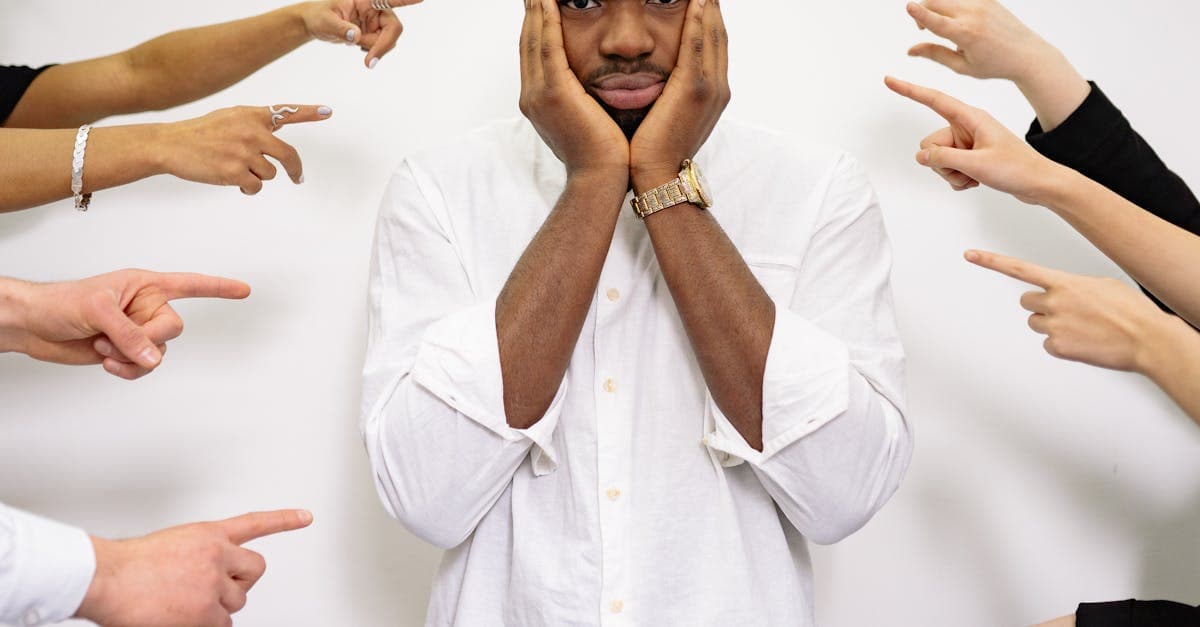
There is also status anxiety. For some partners, the issue is less moral than social. They worry about what friends, relatives, or future employers might think if the relationship is publicly associated with adult content. Others are uncomfortable with the way the creator is perceived online, especially when strangers project fantasies onto the relationship. That pressure can create a strange asymmetry: the creator sees the work as labor, while the partner sees it as a public identity they never signed up to share.
Money Can Stabilize or Distort
The income can make things easier, but not always in the way people expect. A creator bringing in an extra $6,000 to $15,000 a month can reduce financial stress, pay down debt, and create room for shared goals. That matters. A lot of relationships fail under money pressure, and the creator business can function as a stabilizer when the revenue is steady enough to be relied upon.
The distortion appears when the money becomes the reason a relationship is tolerated rather than loved. That is especially common when one partner earns the bulk of the household income from adult content and the other has no direct role in the business. Dependence can produce resentment on both sides. The creator may feel judged. The non-creator partner may feel economically trapped. Once that dynamic settles in, it is hard to tell whether the couple is staying together out of affection, convenience, or fear of financial disruption.
Public Exposure Changes Everyday Life
Creators do not just bring their work home. They bring the internet home with them. Fans may recognize them in public. Ex-partners may search them. Social media can surface old clips in front of family or friends with little warning. That makes ordinary dating rituals feel different. A dinner can become a privacy negotiation. A vacation can become a content planning exercise. Even a simple photo can trigger questions about what is safe to post.
This is one reason some creators prefer dating people in adjacent industries. A partner who understands content schedules, platform volatility, and brand management is less likely to interpret every workday as a personal slight. But adjacency is not a cure. Two people in the same industry can still clash over power, jealousy, and audience overlap. The relationship works best when both people see boundaries as operational necessities rather than suspicious behavior.
What Healthy Relationships Look Like
The healthiest couples tend to make the work legible. They talk about revenue targets, time commitments, disclosure rules, and what happens when either person feels uncomfortable. They do not pretend the business is invisible, and they do not make it the center of every conversation either. The goal is not to normalize everything. It is to create enough clarity that the relationship is not constantly being ambushed by the work.
That usually means defining the hard edges. Which parts of the job are private. Which comments from fans are off-limits to discuss. What happens if a subscriber crosses a line. Whether the partner wants to be mentioned publicly. These questions sound domestic, but they are strategic. In this sector, vague boundaries are just deferred conflict.
The Partner's Perspective
The non-creator partner is often being asked to absorb a job that combines intimacy, performance, and public visibility in ways ordinary work does not. Even a supportive partner can struggle with that because the work introduces a third presence into the relationship: the audience. That presence is invisible in the room but real in the schedule, the inbox, the emotional tone, and the way the creator thinks about time.
That strain usually appears in small moments before it appears as a crisis. A planned conversation gets cut short by a work reply. A shared bedroom becomes a content space for part of the day. A comment from a subscriber lands right as a couple is trying to talk through something unrelated. None of those events is automatically a problem, but together they can make the partner feel like they are living alongside the business rather than with the person. The resentment is often less about the work itself than about feeling like the work has moved into the center of everything without agreement.
The couples that do best are the ones that convert discomfort into a planning conversation instead of a loyalty test. They decide what should change, not whether anyone is morally pure enough to tolerate the current setup.
What This Means
OnlyFans has not broken dating, but it has made hidden assumptions more expensive. Couples have to talk about money, sexuality, privacy, and public identity sooner and more explicitly than they used to. That can be healthy. It can also be brutal. The relationships that survive usually have a higher tolerance for ambiguity and a lower tolerance for fantasy.
The broader shift is cultural. As more people encounter adult creators as coworkers, dates, neighbors, or friends, the old scripts are losing force. Stigma has not disappeared, but it is no longer the only story. The couples that do well are the ones that treat the work like a real job with real consequences, not as a test of morality or a shortcut to intimacy.
That framing matters because it turns the issue from a verdict into a management problem. Once the relationship stops trying to decide whether the work is morally acceptable and starts deciding how to live with it, the couple has a chance to build something workable instead of permanent conflict.
That shift is usually what separates a workable relationship from a permanent argument. The job can be unusual and still be manageable if the couple stops treating every hard moment as proof that the whole thing is broken.
That is the version of the story that tends to survive long term. The partner does not have to love the work, and the creator does not have to apologize for it every day. They just need a structure that keeps the business from swallowing the relationship and the relationship from becoming a referendum on the business.
When that structure exists, the couple can stop litigating the same issue over and over and start treating the work as one part of a larger shared life. That is not a perfect outcome, but it is a durable one.
Durability is the point. The relationship does not need to look conventional to function well. It just needs enough clarity that both people know where the business ends and the relationship begins.
Once that line is clear, the couple can stop treating every hard conversation as a threat to the relationship itself. That usually makes the work easier to live with and the relationship easier to trust.
Trust is the thing that actually keeps the relationship intact when the audience, the schedule, and the money all pull in different directions.
Related Reading
Get the pulse, weekly.
Platform news, creator economy trends, and industry analysis — delivered every Friday.