Adult Creator Search Filters: Safety Rules for Discovery Products
A safety-first guide to adult creator search filters covering public signals, sensitive attributes, location limits, ranking context, opt-outs, and abuse prevention.
Regulation & Compliance
Search filters make adult creator discovery more useful, but they also shape user behavior. A filter can help someone find a public profile, or it can make privacy, harassment, identity, and discrimination risks worse.
This guide is for discovery products that index or organize public adult creator profiles. It is non-explicit and does not recommend collecting private, subscriber-only, or sensitive personal data.
The Short Version
Good filters are based on public, relevant, creator-safe signals. Bad filters encourage invasive targeting, identity inference, or unsafe assumptions.
Use this standard:
- Prefer public profile signals.
- Avoid private or protected attributes.
- Keep location broad and non-real-time.
- Explain ranking and freshness limits.
- Provide correction, claim, and removal paths.
- Suppress filters that attract abuse.
- Review filters before launch and after misuse reports.
Safer Filter Categories
These filter types can be useful when based on public profile data and reviewed for abuse:
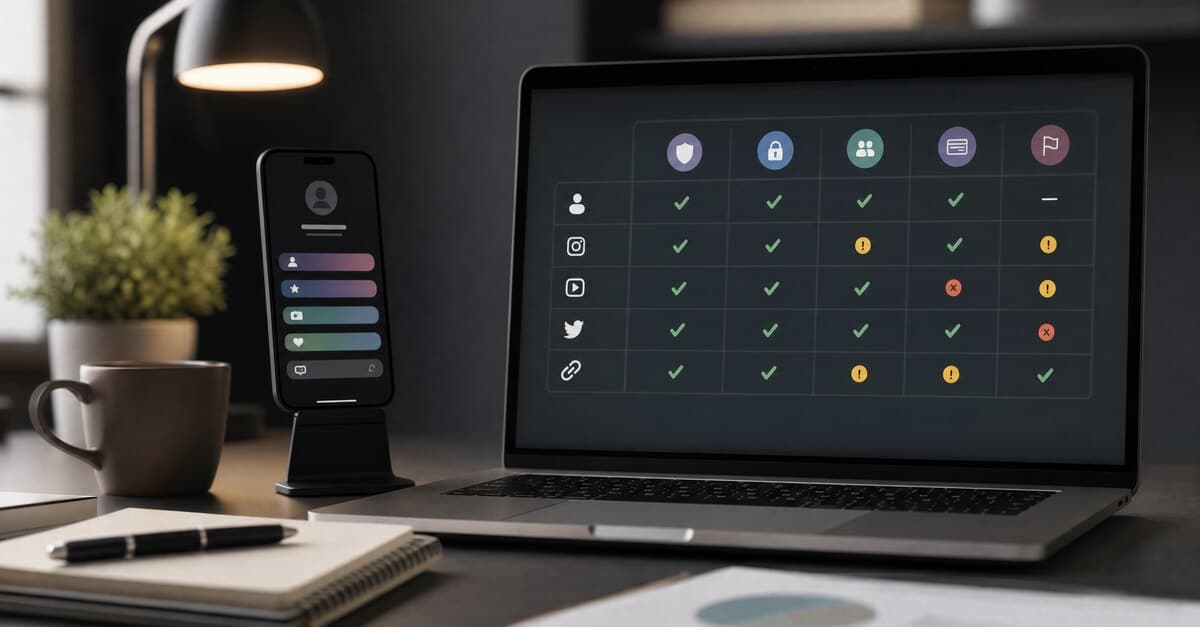
| Filter | Safer Use | Caution | |---|---|---| | Username or name | Search exact public handles or display names | Avoid claiming identity verification unless verified | | Category | Broad creator-selected or public categories | Avoid invasive or demeaning labels | | Price signal | Free, paid, or visible subscription range | Keep stale price warnings in mind | | Recent update | Public profile freshness or index refresh | Do not imply real-time activity | | Broad location | City, region, or country when safe | No exact address, venue, hotel, workplace, or school | | Verification signal | Platform-visible or site-reviewed signal | Explain what verification means | | Official link | Creator-controlled public destination | Do not link to reposts or leak sites |
The more personal a filter feels, the stronger the review standard should be.
Filters To Avoid
Discovery products should avoid filters that make it easier to identify, stalk, harass, or discriminate against creators.
High-risk filters include:
- Exact address or neighborhood.
- Current location or travel status.
- Workplace, school, hotel, or event attendance.
- Legal name or government identity.
- Family, relationship, or roommate information.
- Health, disability, or financial hardship labels.
- Race, ethnicity, religion, or similar sensitive traits unless there is a lawful, creator-controlled, safety-reviewed reason.
- "Looks like" or face-matching filters based on uploaded images.
- Filters that target leaked, private, deleted, or paywalled content.
- Filters designed to find creators who are offline, vulnerable, or newly exposed.
Even when a signal appears somewhere online, that does not automatically make it safe to turn into a filter.
Location Filter Rules
Location is one of the most useful and risky discovery dimensions.
Safer rules:
- Use broad geography, not precise coordinates.
- Do not show real-time movement.
- Do not expose hotels, venues, homes, workplaces, or schools.
- Avoid "near me" copy that implies physical proximity to a creator.
- Let creators correct or suppress unsafe location labels.
- Add minimum inventory thresholds before launching location pages.
- Consider noindex or suppression for thin, low-confidence, or sensitive location results.
If location is inferred, say so internally and review the inference quality before showing it publicly. A wrong location can create both user confusion and creator safety risk.
Ranking And Sorting Controls
Filters and rankings work together. A harmless filter can become risky when paired with sorting that rewards sensational, invasive, or stale data.
Safer ranking controls:
- Weight freshness without claiming live availability.
- Deprioritize incomplete or low-confidence profiles.
- Suppress impersonation and unresolved safety reports.
- Avoid ranking based on private engagement data.
- Keep adult content categories broad and professional.
- Explain that rankings use public signals and have limits.
- Log changes to scoring rules for editorial and trust review.
Do not rank creators in ways that imply income, consent, availability, or private popularity unless the claim is supported, current, and safe to publish.
Abuse Review Checklist
Before launching a new filter, ask:
- Could this help someone identify a creator's offline identity?
- Could this expose a private location or routine?
- Could this invite harassment or discrimination?
- Is the signal public, creator-controlled, or safely licensed?
- Is the label respectful and non-explicit?
- Can creators correct or remove it?
- Can support detect and respond to misuse?
- Does the filter still make sense if copied into SEO titles or snippets?
- Would the product defend this filter in a legal, trust, or creator-rights review?
If the answer is unclear, hold the filter for review.
Creator Controls
Creators should have practical routes to:
- Claim their profile.
- Correct public profile metadata.
- Suppress unsafe location information.
- Report impersonation.
- Request removal under site policy.
- Report sensitive or non-consensual labels.
- Understand why a profile appears in a filtered result.
These controls should be linked from profile pages, search pages, and policy pages. A correction flow that exists only in a generic inbox is usually too weak for safety-sensitive filters.
FAQ
Are adult creator search filters safe?
They can be, but only when they rely on public, relevant, non-sensitive signals and include abuse prevention, correction routes, and creator safety review.
Should search products offer location filters?
Only with strict limits. Broad city, region, or country labels can support discovery, but exact or real-time location signals create serious safety risk.
What makes a filter high risk?
A filter is high risk if it helps users infer private identity, physical location, sensitive traits, offline routines, or unauthorized content access.
What should creators do if a filter is wrong?
Creators should use the site's claim, correction, removal, or trust and safety route. If the site has no clear route, that is a product safety gap.
Internal Links
/creator-discovery-index-methodology/ai-search-for-creator-discovery/image-search-adult-creator-safety/creator-location-privacy-production/public-profile-indexing-creator-rightshttps://www.juicyscout.com/searchhttps://www.juicyindex.com/methodology
Get the pulse, weekly.
Platform news, creator economy trends, and industry analysis — delivered every Friday.